Route
Every design decision starts with the mission profile: distance, service speed, passenger load, sea state and the charging window between departures.


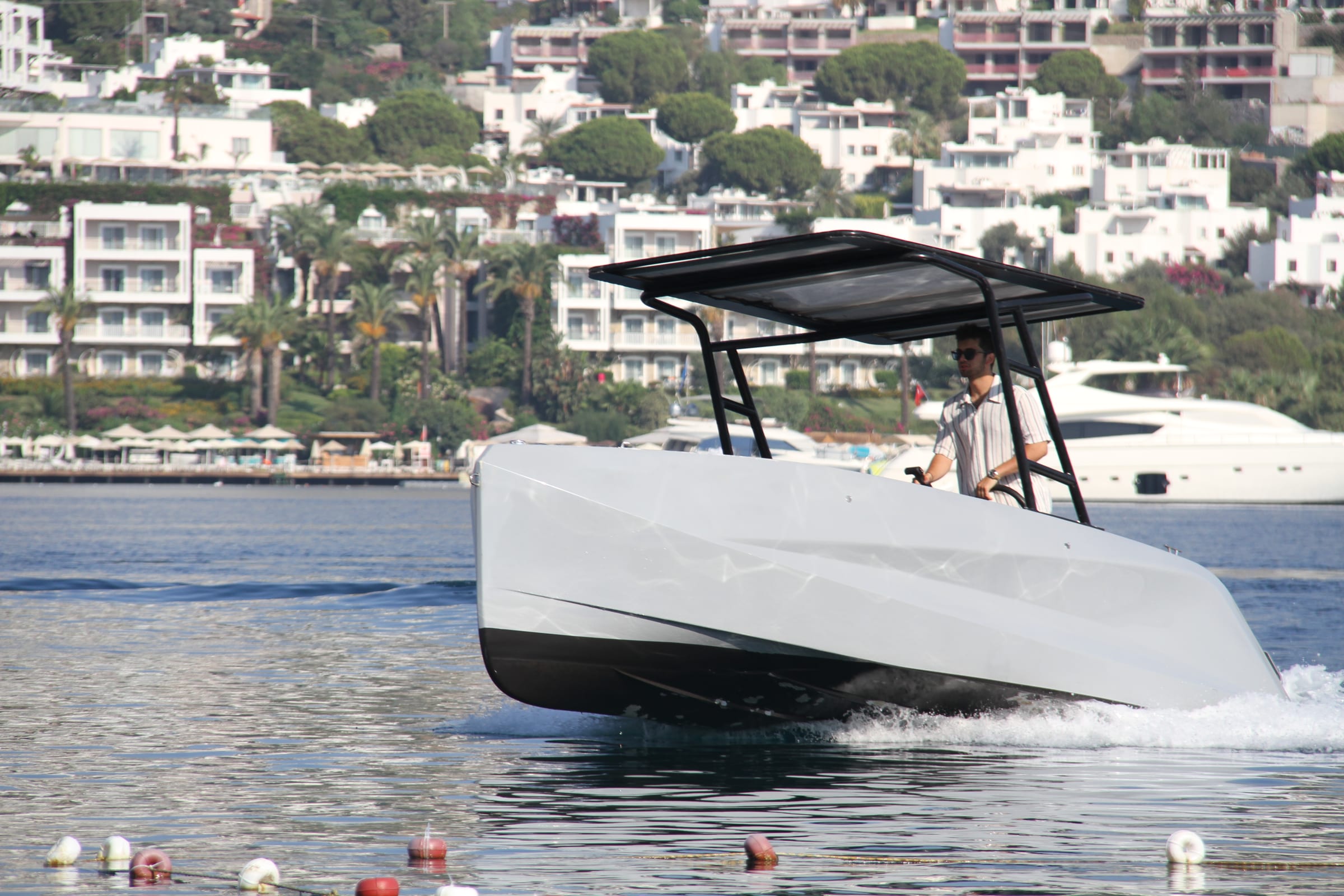
 Designed and engineered in Türkiye
Navarc designs and builds solar-electric vessels in which hull efficiency, propulsion and energy management are developed as a single system. From urban passenger lines to day boats, every project begins with the route the vessel actually has to run.
Three principles behind every vessel we put on the water.
Every design decision starts with the mission profile: distance, service speed, passenger load, sea state and the charging window between departures.
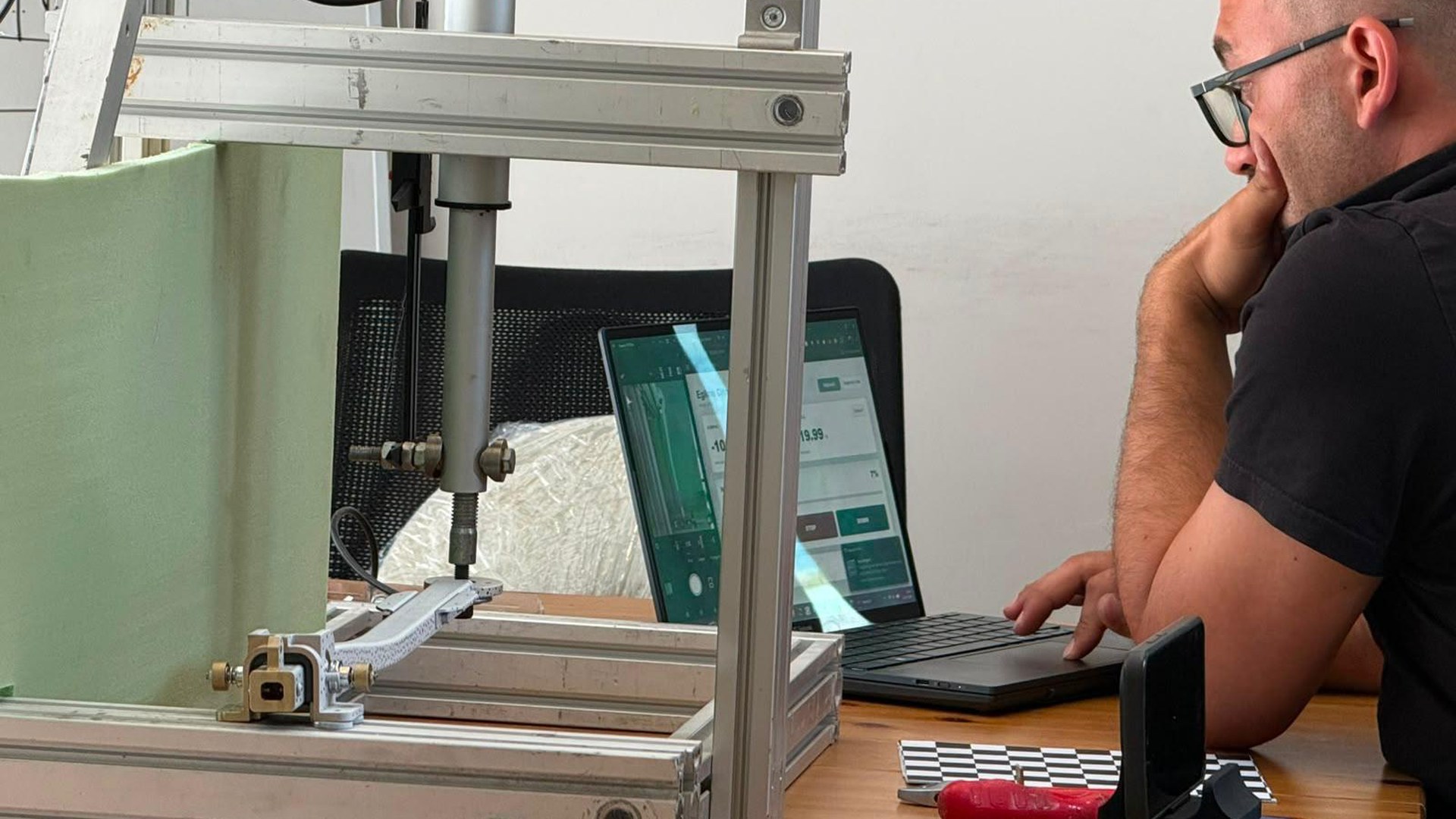
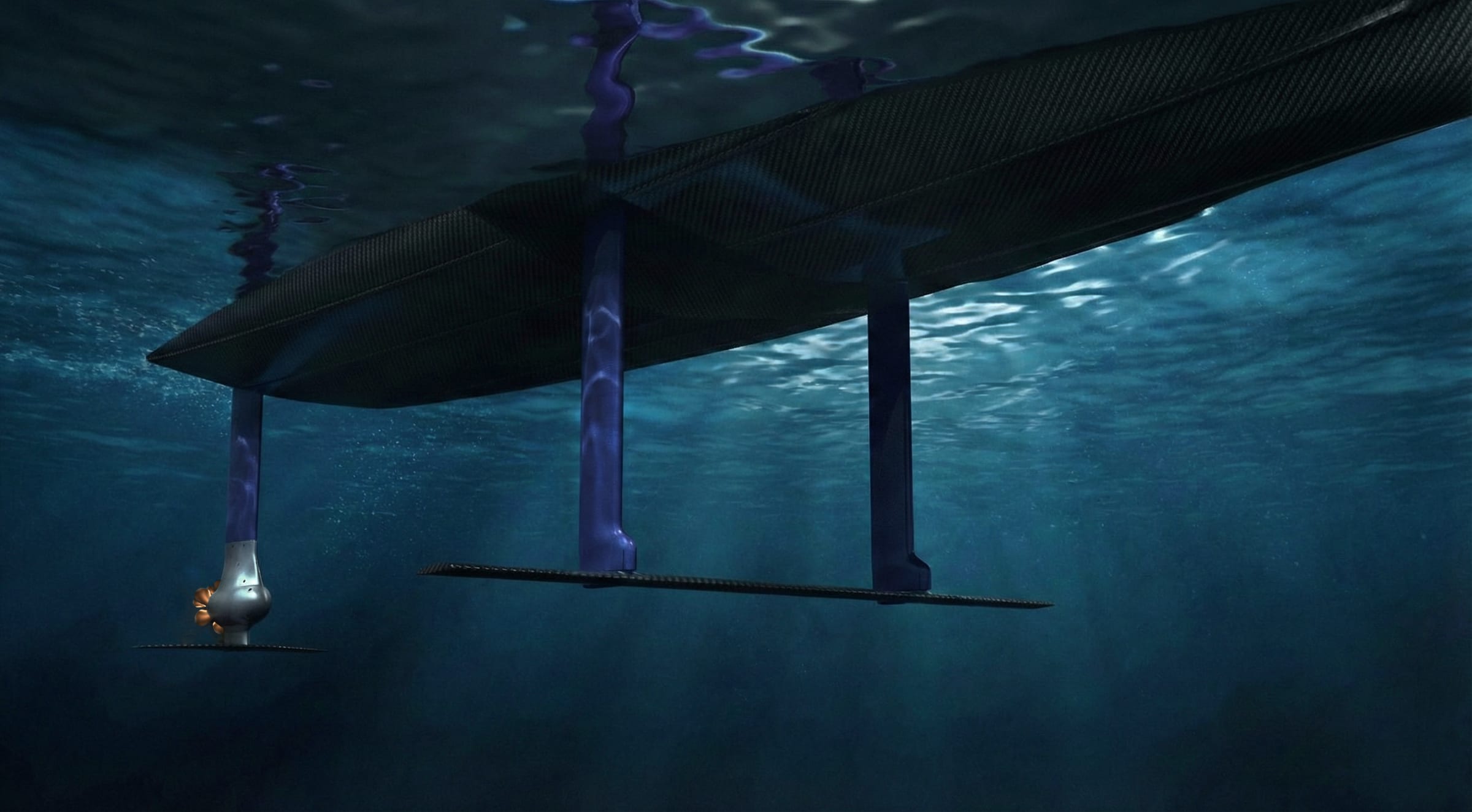
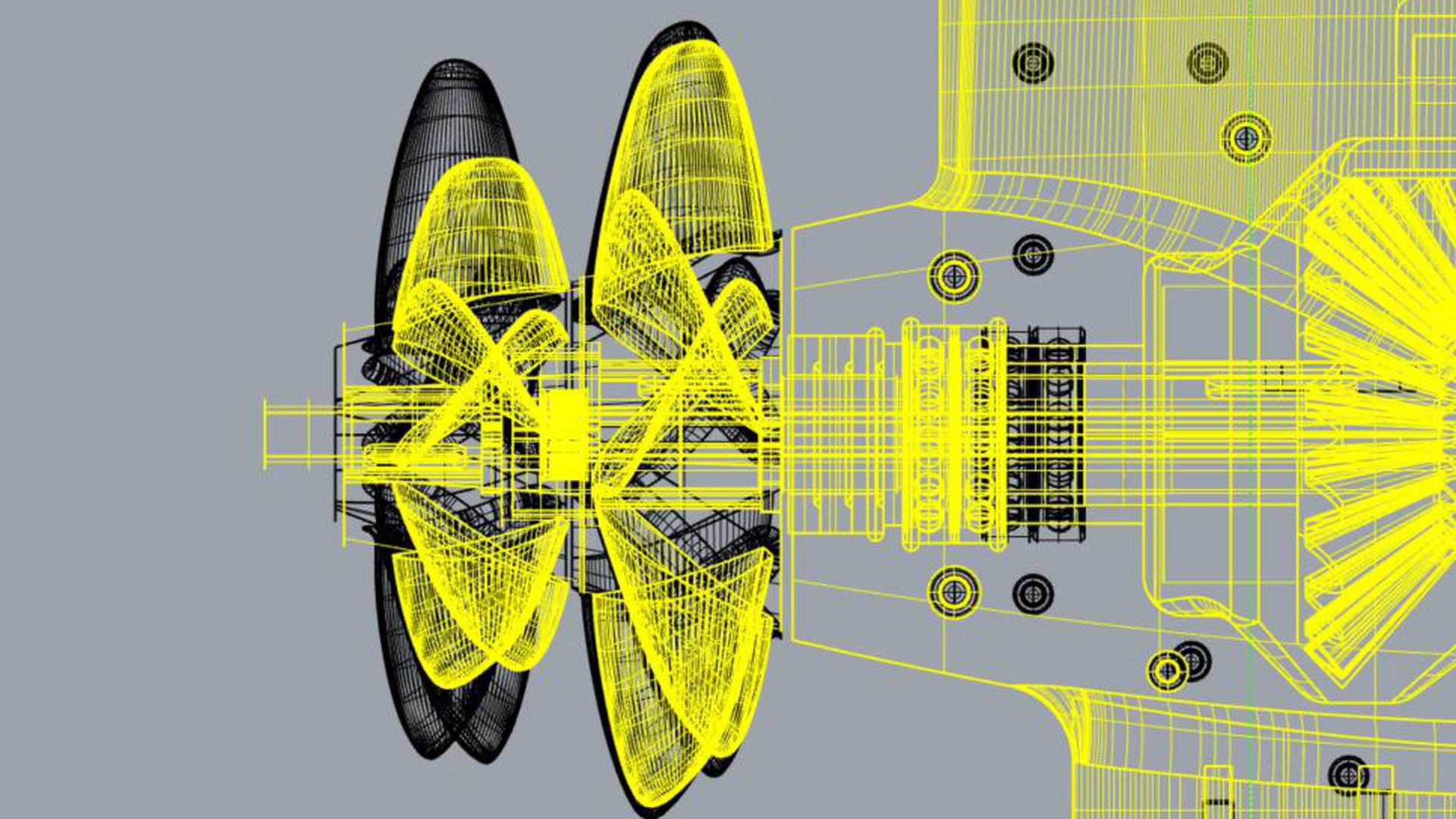
Hull geometry, propulsion and the energy system are treated as one verifiable system rather than three separate procurement decisions.
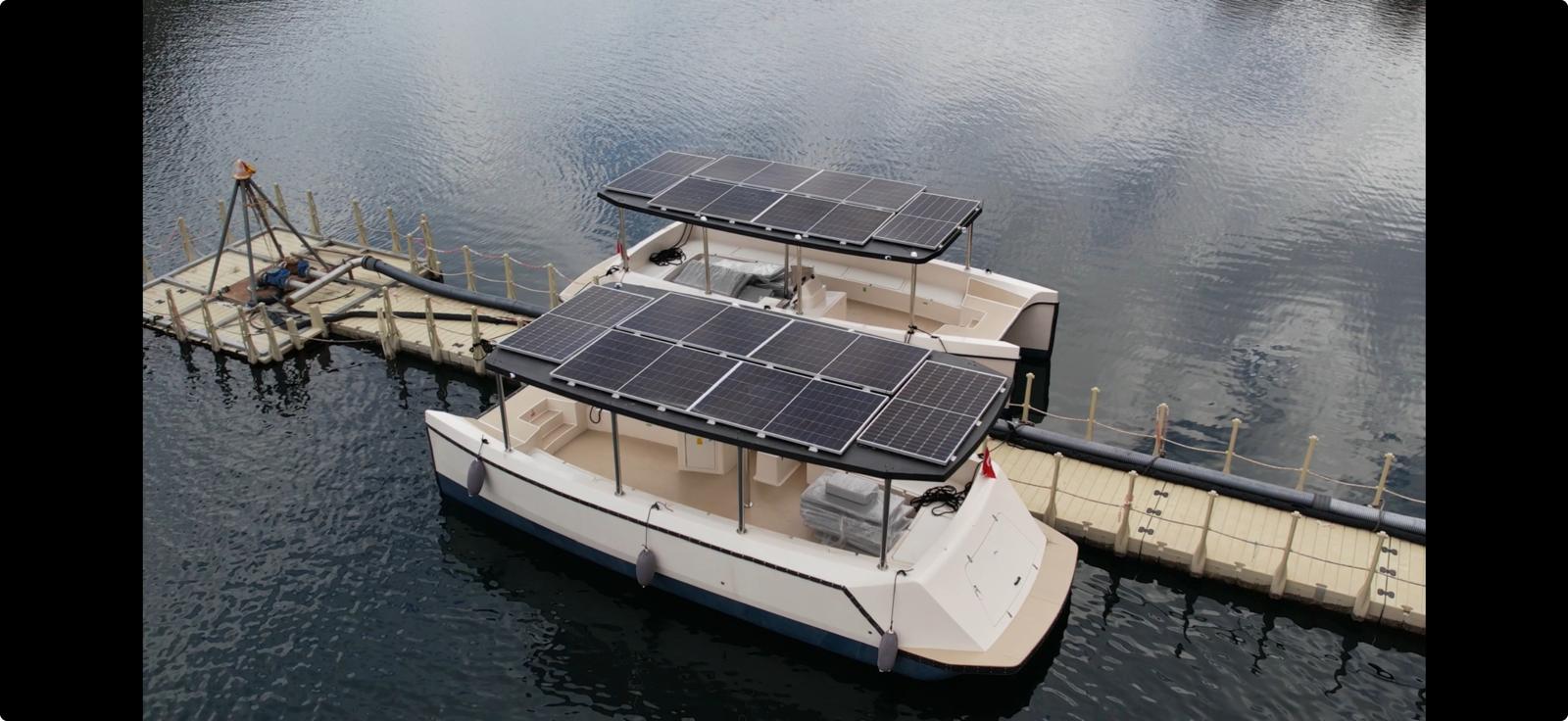
Zero-emission operation, quiet passage and a lower cost of ownership across the whole service life — measured on the water, not claimed on paper.
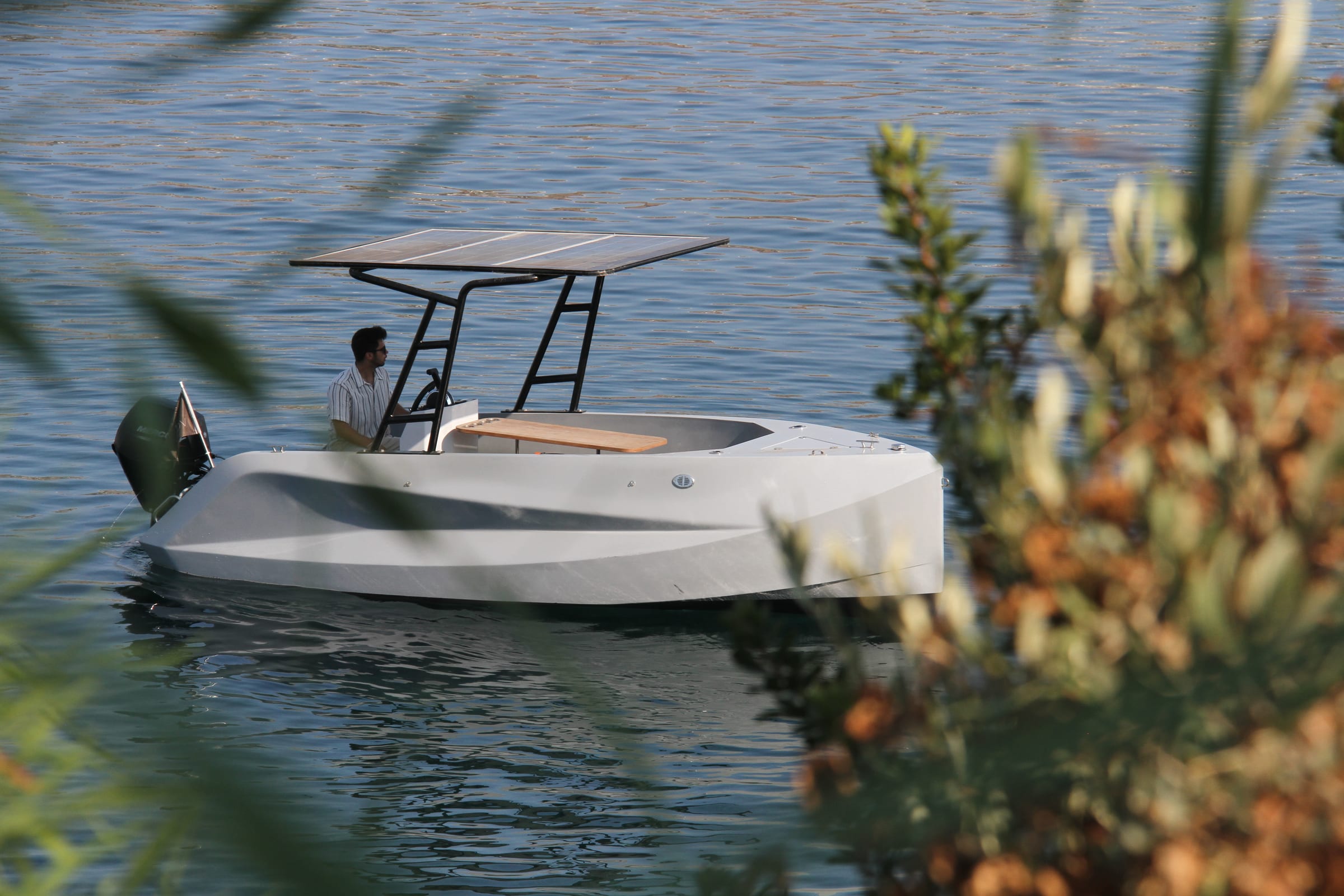
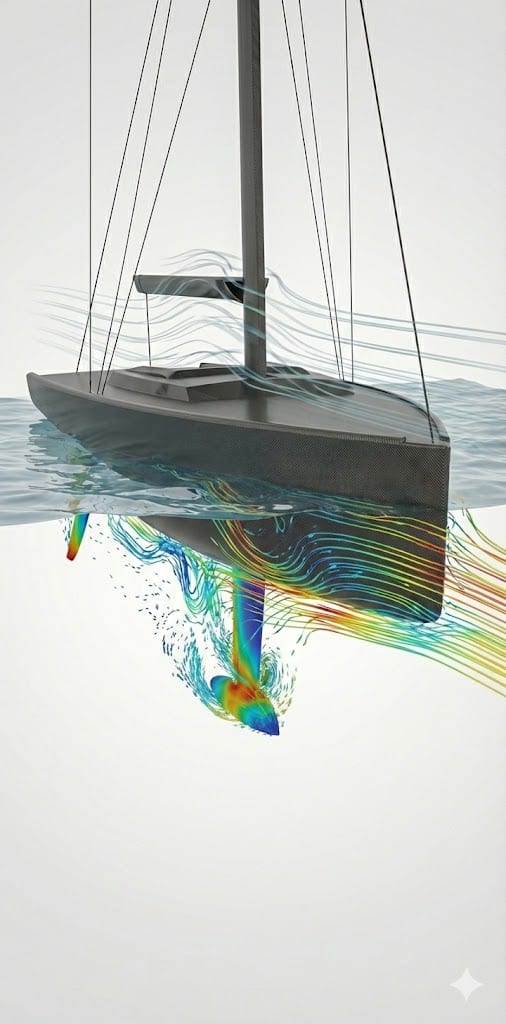
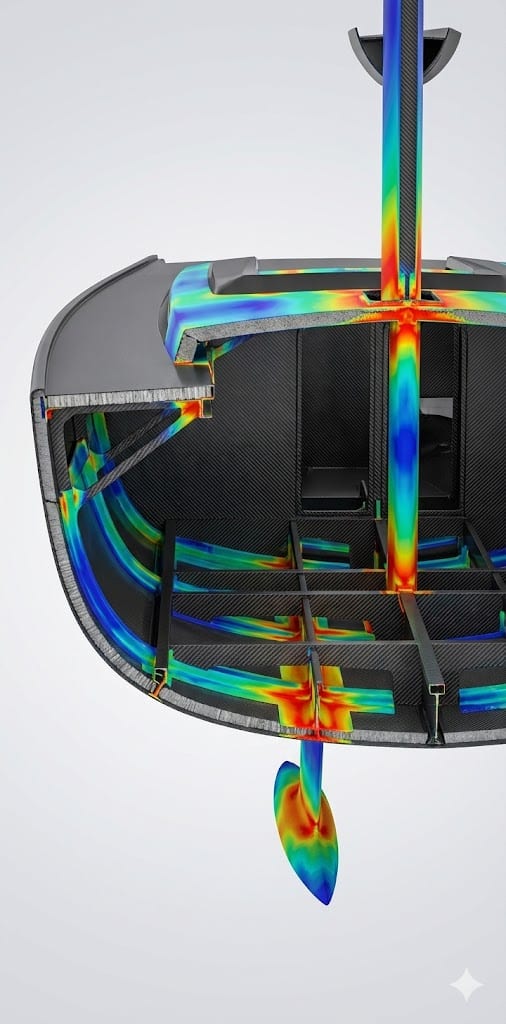
Navarc was founded because off-the-shelf propulsion packages kept coming up short against the routes our customers actually run. Fitting a larger motor solved the symptom and moved the cost somewhere else. Today we run hull design, CFD and structural analysis, propulsion integration, control software and sea trials inside a single development loop — so a change in one discipline is answered in all the others before anything is built.
Share your project with us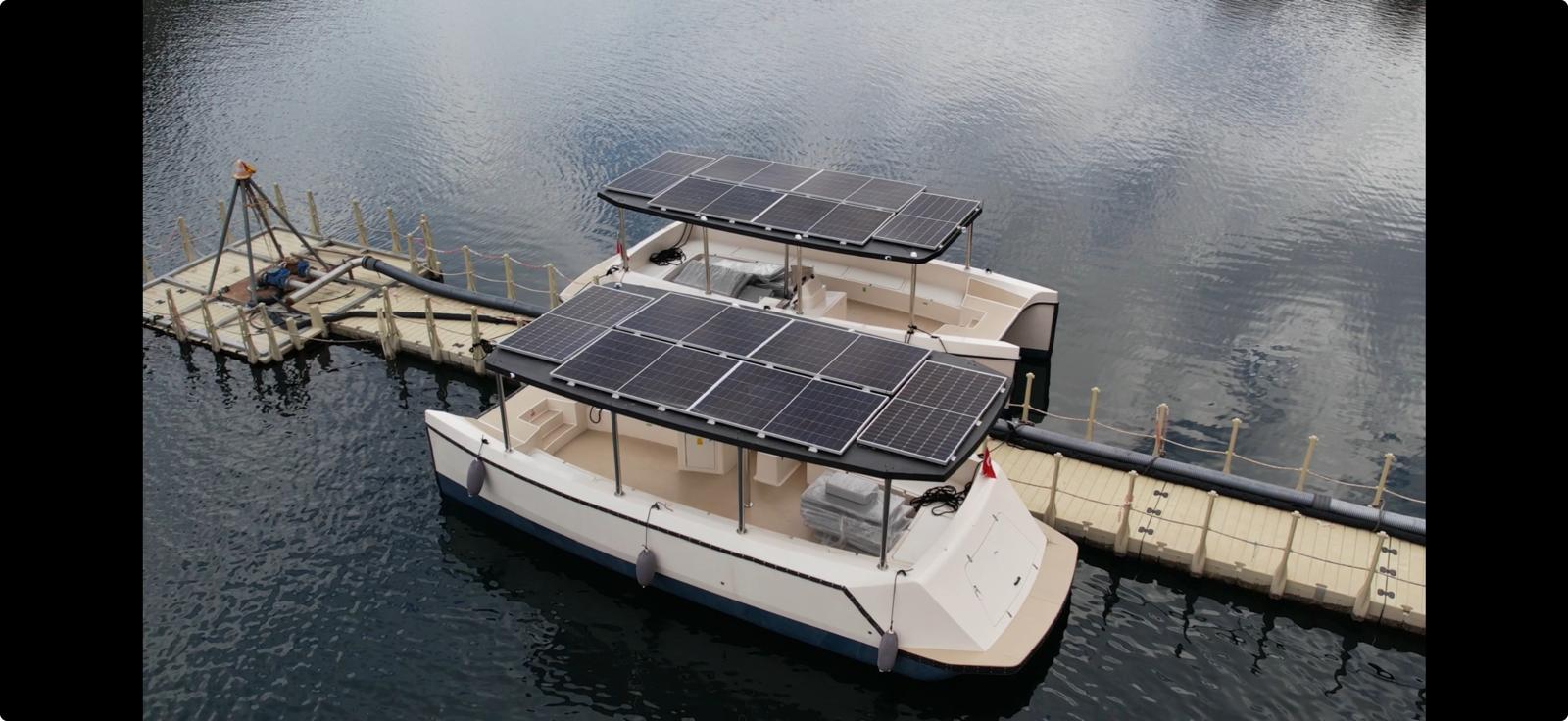
On the horizon
Operators are being asked for longer range, lower energy consumption per passenger-mile and predictable performance in real sea conditions. Hull efficiency and energy management sit at the centre of that shift — not the size of the motor.
Navarc develops platform-specific vessels from prototype through repeatable production, validated against the conditions they will actually work in. The result is a design that holds up during the working day, not only in the drawing.
See the vesselsAn integrated development approach that feeds design decisions with production reality and measured test data.
Navarc Inside
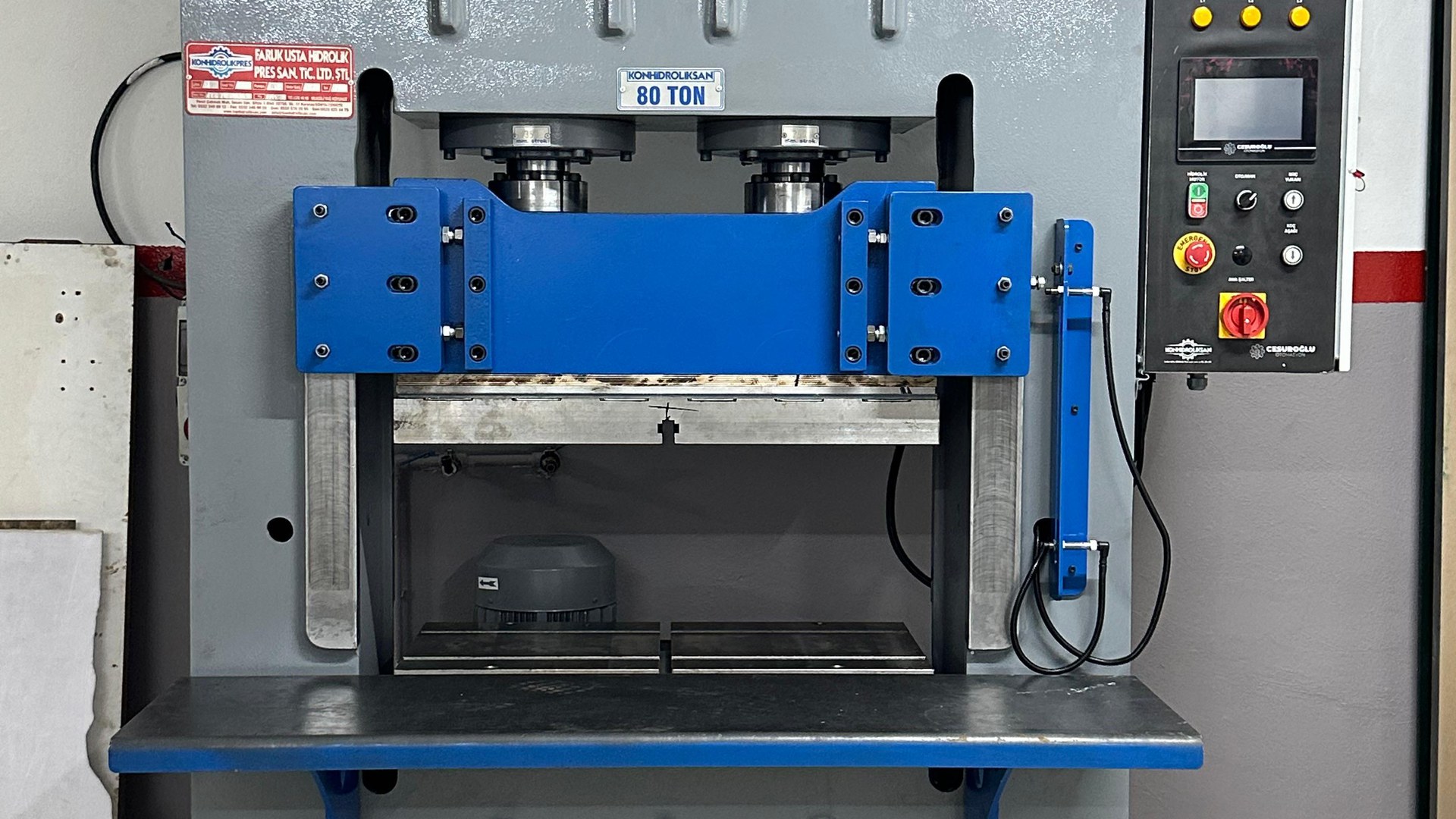 Prototype and assembly validation in the workshop
Questions about working with us?
View all questionsWe begin by defining the route together: distances, service speed, passenger or payload figures, sea conditions, quay interfaces, the charging window and the success criteria the vessel will be judged against.
The same hull does not behave the same way on two different lines. We size geometry, propulsion and battery capacity against the actual operating profile rather than a catalogue figure, which is what keeps energy consumption and schedule reliability predictable.
Tooling, lamination, cure, tolerances and inspection steps are planned at the start of the design process, and prototype results are fed straight back into production so the drawing and the build stay in agreement.
When sea trial and measurement results meet the success criteria agreed at the outset, and every revision raised along the way has been recorded and closed.
Share your route profile, passenger numbers or the vessel you are looking to replace. We will map the most efficient way forward from there.
Schedule a meeting
Redefining urban
waterborne transportation.
Quiet. Smooth. Electric.
Experiences like never before.
The innovation formula
behind the success.